
The Visible Record
My fifth year at Trinity was the year the streak ended.
For twelve seasons the men's squash team had not lost a match. Two hundred and forty-four in a row. I had spent four years as a player and returned for a fifth as an assistant coach. By then, I knew the rhythm of the program well enough to sense that something had shifted. Not dramatically or all at once, but gradually. Standards that once felt instinctive began to require reinforcement. Urgency softened in small, almost unnoticeable ways.
When we lost, it was disappointing but not shocking. The ability was still there. What had changed was less visible.
Most people attribute Trinity's record to recruiting. The team drew top international players and could cast a wide net. We were strong across the ladder in most years. But over twelve undefeated seasons, we came close to losing more than once. Talent explains excellence. It does not explain durability.
To understand that, I had to look beneath the record.
The Invisible Work
I arrived in the fall of 2007 at nineteen years old, landing at JFK with two suitcases and a few photographs from home. Another first-year teammate, Randy Lim, arrived the same day. Coach Assaiante arranged for us to meet at the airport and make our way to Hartford together. We had just moved to a new country and were left to navigate the public transport system on our own.
Randy fell asleep on the train from JFK to Penn Station, jetlagged and disoriented from his long flight from Malaysia. I stayed awake to make sure we did not miss our stop. It was a small responsibility, but it marked the beginning of something larger. We were no longer competing only as individuals. We were learning to rely on one another.
Life at Trinity settled into a demanding routine: classes in the morning, training in the afternoon, on-campus side hustles, meals together, evenings in the library or beerpong in someone's dorm. The structure was repetitive. That repetition mattered. Effort, preparation, and attitude were visible because we were constantly around each other.
Many of us had been the top players in our home countries. Squash, as an individual sport, rewards personal performance. At Trinity, that instinct had to expand. Coach Assaiante made it clear that performance was never isolated. A match influenced the entire group. Your preparation affected more than your own position.
His message was consistent. Standards were expected, not aspirational. On days when energy dipped, teammates noticed. When someone cut a corner in conditioning, it was corrected quickly and without ceremony. Before matches, preparation happened without being prompted. The coach did not need to monitor every detail because the team did.
None of this felt dramatic. It felt normal.
Preparation extended beyond the court. International players far from home depended on one another. Competing for ladder positions could be uncomfortable, especially when it meant facing a close friend. Those tensions were absorbed into a broader understanding that improvement mattered more than status. Over time, those ordinary choices accumulated.
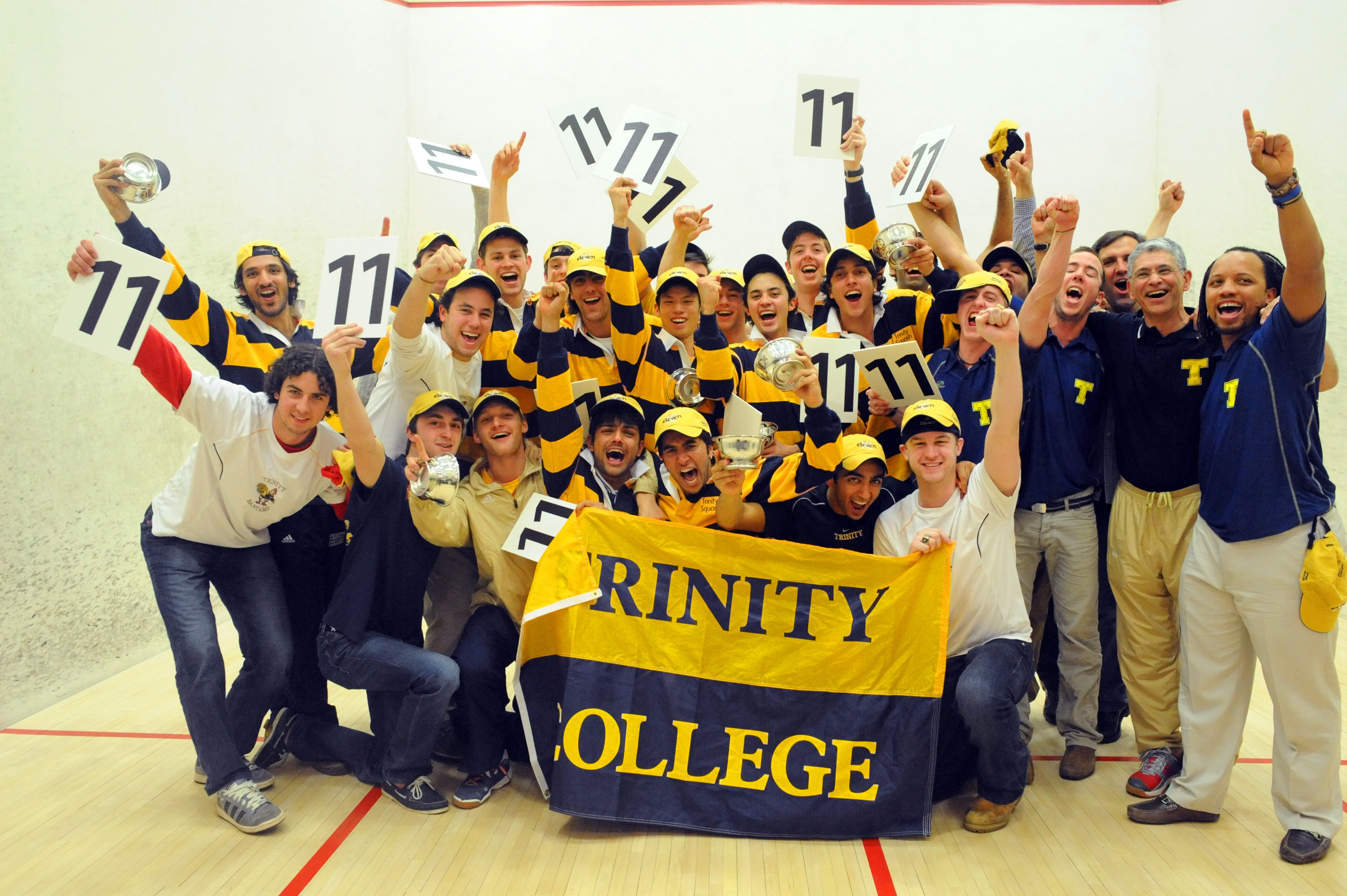
During my four years as a player, we won four national championships. The victories were meaningful, but they were not the defining feature of the experience. What stands out more clearly now is the consistency of the environment. It was a culture of excellence, where you were playing for something larger than yourself. For the team. For those who came before you.
When the Work Slipped
By my third and fourth years, the changes were subtle enough to ignore.
Conditioning drills were completed, but the competitive edge softened. We still ran the same sessions, yet the urgency was less instinctive. When someone's focus wavered, teammates hesitated before stepping in. Correction increasingly came from coaches rather than from within the group.
Nothing collapsed overnight. The structure remained intact. The talent remained. From the outside, little looked different. But culture depends on repetition, and repetition depends on attention. When attention drifts, even slightly, the effect compounds.
When I returned as an assistant coach, I saw the difference more clearly. The program still carried its reputation. The habits that had once sustained it required more deliberate reinforcement. We assumed certain standards would persist because they always had.
They did not.
Losing the streak was painful, in part because it exposed how much those quiet habits had mattered. I had sensed the gradual drift and did not act decisively enough to address it. That recognition has stayed with me.
To the team's credit, the response was immediate. Standards tightened. The title returned to Hartford the following year. The correction proved that the culture could be rebuilt, but it also confirmed how fragile it had been.
Lessons in Maintenance
Looking back, what made Trinity exceptional during my time there was not dominance alone. It was the steady reinforcement of expectations that rarely drew attention. Success was the visible outcome. The daily habits that produced it were not.
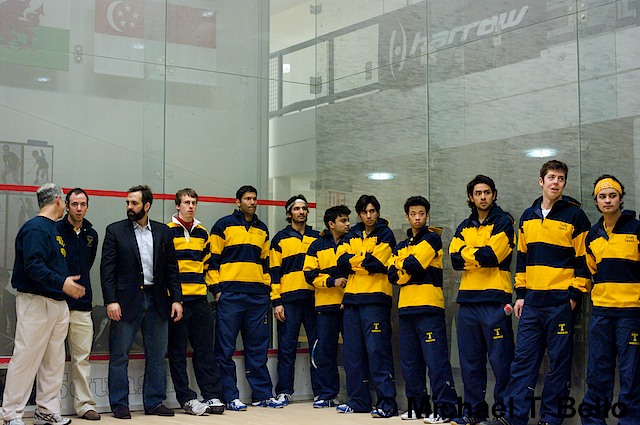
At one point we had eleven nationalities represented on the team. Different languages, backgrounds, and temperaments shared the same space. What held the group together was not uniformity but a shared understanding of what was required. That understanding had to be renewed continuously.
The lesson I carry from those years is straightforward. Sustained performance depends less on isolated peaks of effort and more on the steady repetition of ordinary discipline. When that repetition is internalized, excellence appears stable. When it weakens, results eventually follow.
When I think about Trinity now, I think less about the record and more about the maintenance behind it. Winning was visible. The real work happened in moments that did not feel significant at the time: team brunches in the dining hall, Thanksgiving meals shared far from family, summer jobs on campus when only a few of us remained, the quiet accumulation of familiarity that turned individuals into a team.
That distinction has shaped how I think about teams ever since.
Still curious about Trinity Squash? Check out an oldie: Trinity Squash Dynasty - ESPN